

Built by Community, For Community: The Story of KlezKolorado

Sometimes community isn’t about joining something that already exists. Sometimes it’s about building something together.
That’s the story of KlezKolorado, a klezmer and Yiddish music festival that began, as the best things often do, with a few friends and a bold “why not?”
Every Great Festival Starts with a Question
Back in 2022, Ben Sweet was at a retreat in the mountains when a pair of Rabbis asked a simple question: what did he want to see more of in the Denver Jewish community? His answer came easily—more klezmer music. So he floated the idea of a festival, and then, in his words, “for whatever reason, I started working on it as if it were already real. Reaching year three fills me with gratitude.”
Vibrant klezmer festivals had long thrived in other parts of the world—KlezKanada, and the festival in Safed—but nothing served Colorado and the Mountain West. When Ben and his friends brought the idea to the JCC, the ask was big, and the JCC was honestly a little hesitant. But the passion was contagious, and a partnership formed. Because sometimes a community center’s job isn’t to invent every program itself but rather to help community members bring their own visions to life.
“The spark came from a desire to grow Yiddish culture here on the Front Range,” Ben says. “Cultural stories create opportunities for people to better understand themselves and one another—plus, the music is just awesome.”
The Magic of Ranch Camp
For its first two years, the festival lived at Ranch Camp, about 90 minutes from Denver, mountains, trees, and phones tucked away. Attendees stayed together all weekend, sharing meals, learning, and letting music drift through camp late into the night. It was unforgettable.
It was also, a commitment for attendees to be away for an entire weekend. The experience was magical, but only so many people could be part of it.
Bringing the Festival Home
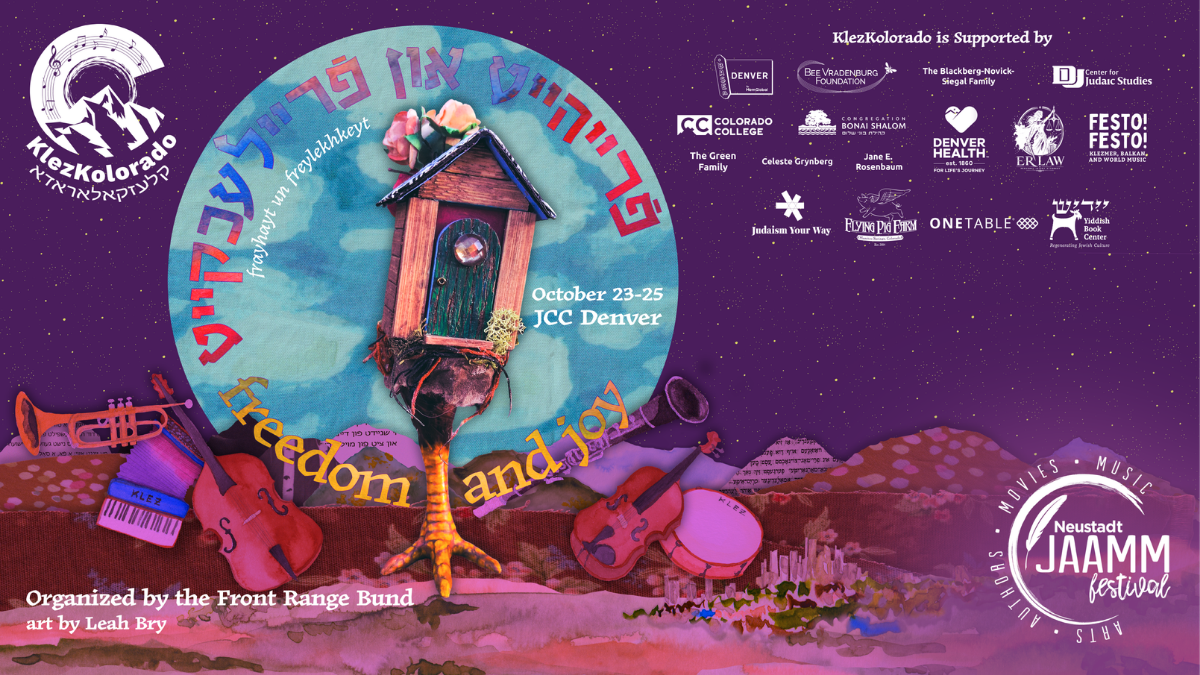
This year, KlezKolorado moves to Denver and joins the Neustadt JAAMM Festival. The reasons are simple: easier access, more people, offerings throughout the day, and the chance to drop in for a single workshop or performance without committing to an entire weekend away.
This isn’t replacing Ranch Camp. It’s opening the doors wider.
What surprises Ben most, three years in, isn’t the growth—it’s the enthusiasts who showed up to build it alongside him. “So many people have decided this is something worth investing in,” he says. “It genuinely makes me emotional.”
That local ownership, he believes, is what sets the festival apart. “The people leading workshops, performing, and volunteering are staples of Colorado’s Yiddish and klezmer community. Then we bring in world-class artists and put everyone in the same space to play, learn, teach, and celebrate together. KlezKolorado isn’t something that just arrives in Denver for a weekend. It’s ours, and it’s personal.”
A Scene Coming to Life
Longtime klezmer fan Risa Aqua has watched that scene grow for decades. “For years”, she says, “Denver had just a handful of klezmer bands with loyal but aging audiences. Then a younger crowd gave the scene a zetz—a jolt—starting with the high-energy band Hadgaba and then the Festo Festo jam session.” Suddenly, the scene was multigenerational and alive. “It’s always hard to find a critical mass here for arts that are more niche,” she says. “It’s happening now, for klezmer. I hope people keep—and more people start—showing up.”
She has a message for anyone who’s never experienced it: “If you’re not familiar with klezmer—I envy you. You have so much to discover. Come see how powerful and youthful and innovative this culture can be.”
Honoring Tradition, Making It New
That balance—ancient and alive at once—is exactly what draws the performers. Jordan Wax describes klezmer as a musical dialect that evolved over centuries among Yiddish-speaking wedding musicians in Eastern Europe, “incredibly rich, detailed, and expressive.” Playing it today, he says, means being both a skilled musician and a devoted student of the tradition drawing on the past “in a participatory, rather than extractive way, while bringing your own voice and everything you hear in the world around you.”
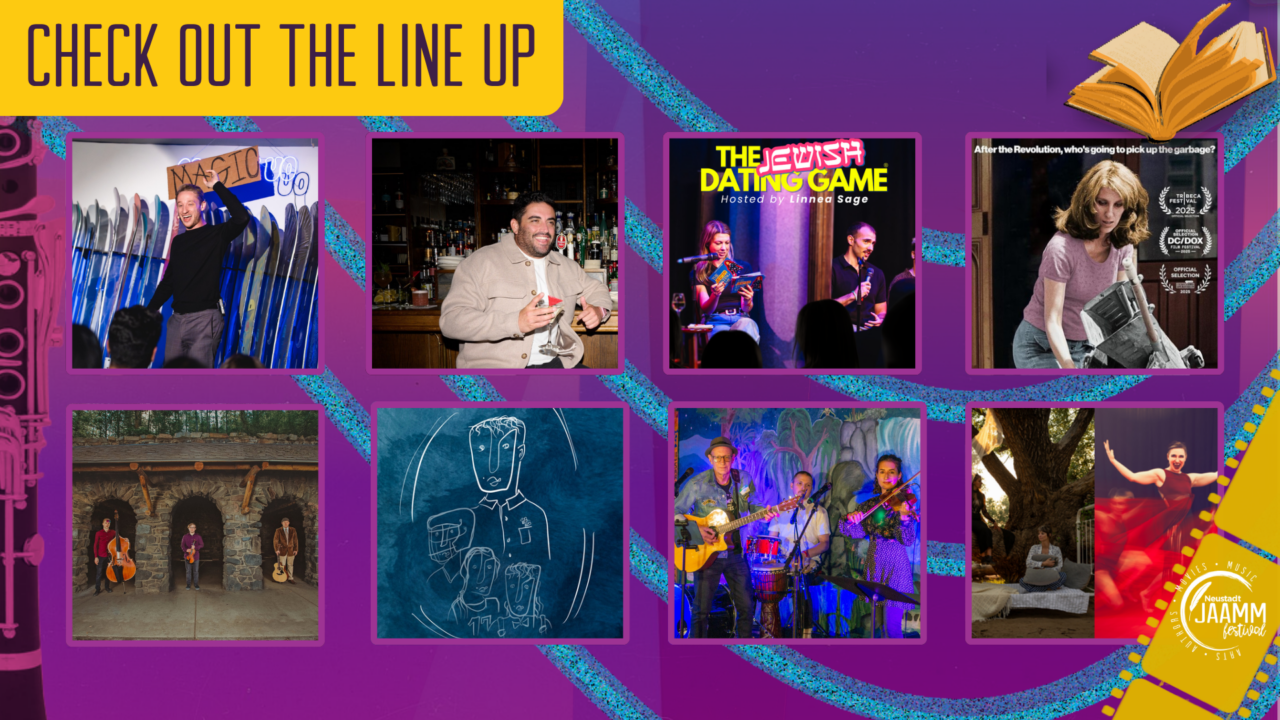
This year’s lineup delivers on that promise, with performers like Daniel Kahn joining from Germany and klezmer clarinet legend Margot Leverett. Jordan will perform alongside Leverett, a foundational figure in contemporary klezmer clarinet, whom he calls “a force of nature.”
For Jordan, the stakes are deeper than a good show. Klezmer, he says, offers “a moment of cultural wholeness that can serve the community very deeply in times of rupture.” As Ben puts it, more than anything, “I want people to leave feeling connected—to the music, to Yiddish culture, and especially to each other.”
Growing Through JAAMM
Joining the JAAMM Festival doesn’t change what KlezKolorado is. It gives it more room to thrive—more support, more visibility, and a natural home among the JCC’s celebration of Jewish arts, authors, movies, and music. More than anything, it reflects something the JCC believes deeply: that community-created programs deserve to thrive. KlezKolorado was dreamed up by community members, and it’s the community that continues to carry it forward.
Looking Ahead
Today, KlezKolorado is still smaller than nationally known festivals like KlezKanada or Yidstock. But every beloved tradition starts somewhere. Perhaps one day, musicians across North America will look toward Colorado as a premier destination for klezmer and Yiddish music.
Three years ago, it was simply a conversation among friends wondering what could be. Today—thanks to passionate volunteers, dedicated artists, generous supporters, and the JCC Denver—that conversation has become a tradition. One that grows with every note played.


